Scaling Internal Developer Platforms with Stakater MTO
Simplify Kubernetes with IDPs and Stakater MTO. Scale platforms securely and cost-effectively with built-in multi-tenancy and automation.
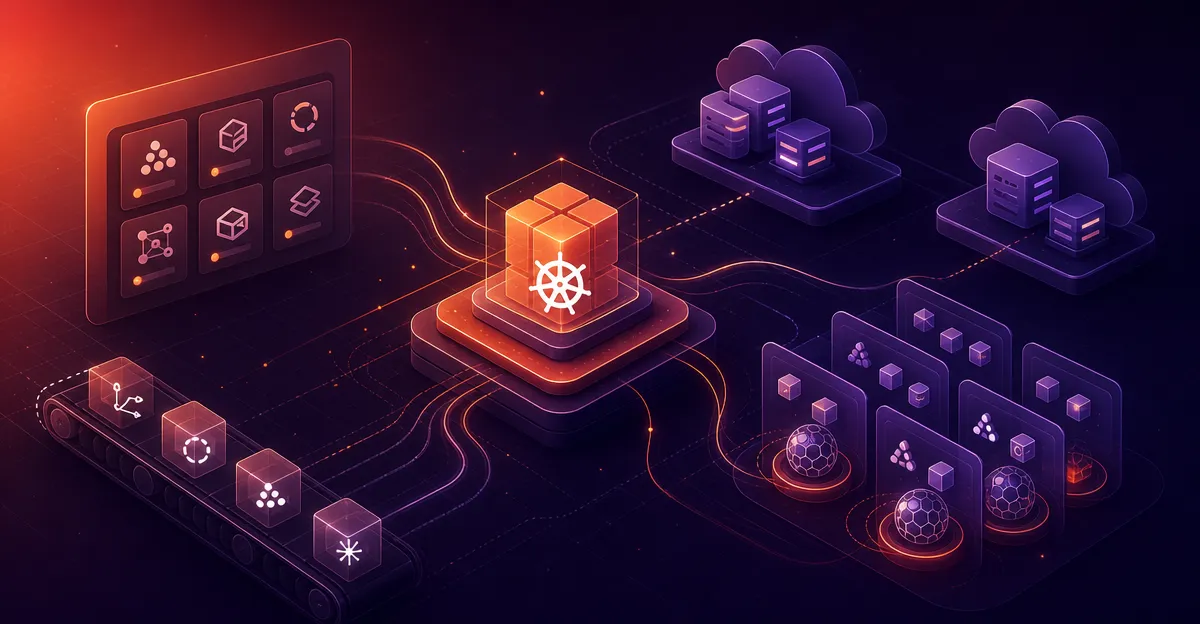
As organizations grow, the complexity of managing Kubernetes environments across multiple teams explodes. Internal Developer Platforms (IDPs) are emerging as the solution — abstracting away Kubernetes complexities and letting our teams focus on building and shipping software.
But how do we scale these platforms efficiently, securely, and cost-effectively?
Enter Stakater Multi-Tenant Operator (MTO) — a Kubernetes-native solution purpose-built to support multi-tenancy and help us scale internal developer platforms with confidence.
Why Internal Developer Platforms Need Multi-Tenancy
IDPs aim to:
-
Give developers self-service access to infrastructure
-
Apply guardrails to enforce consistency and security
-
Centralize platform tools (CI/CD, observability, secrets, etc.)
-
Reduce the cognitive load from Kubernetes YAMLs and access controls
But as we onboard more teams, we face challenges:
-
Security: How do we isolate team environments?
-
Governance: How do we enforce org-wide policies?
-
Consistency: How do we standardize namespaces, roles, and quotas?
-
Efficiency: How do we avoid spinning up one cluster per team?
All of these problems point to one thing: the need for scalable, namespace-based multi-tenancy.
How Stakater MTO Scales Your IDP
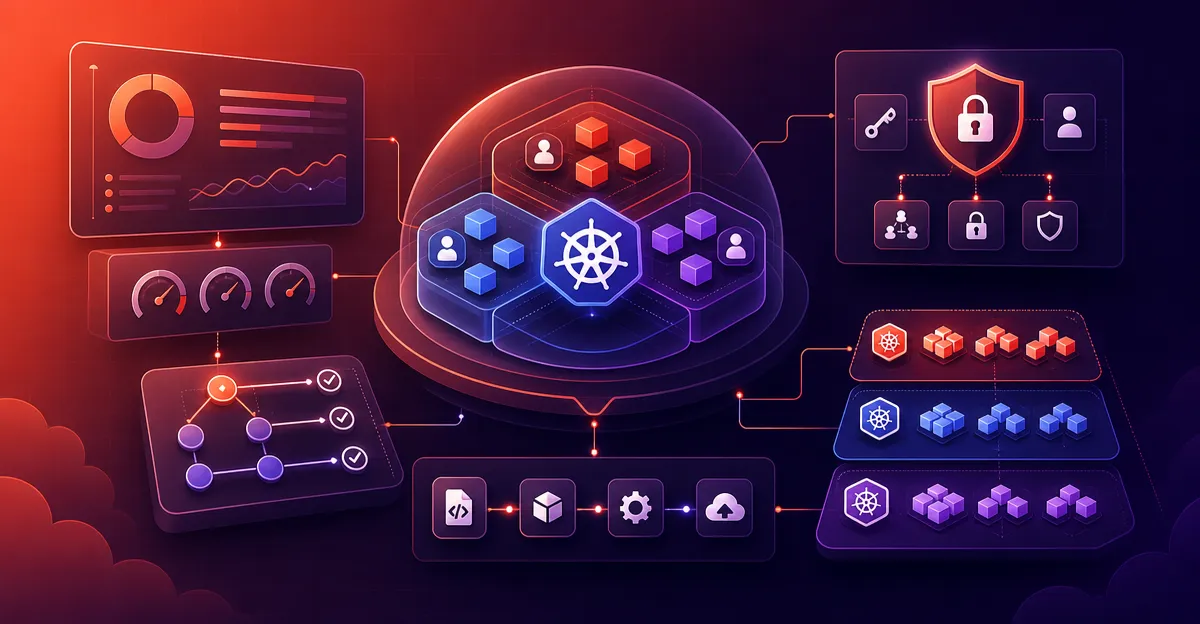
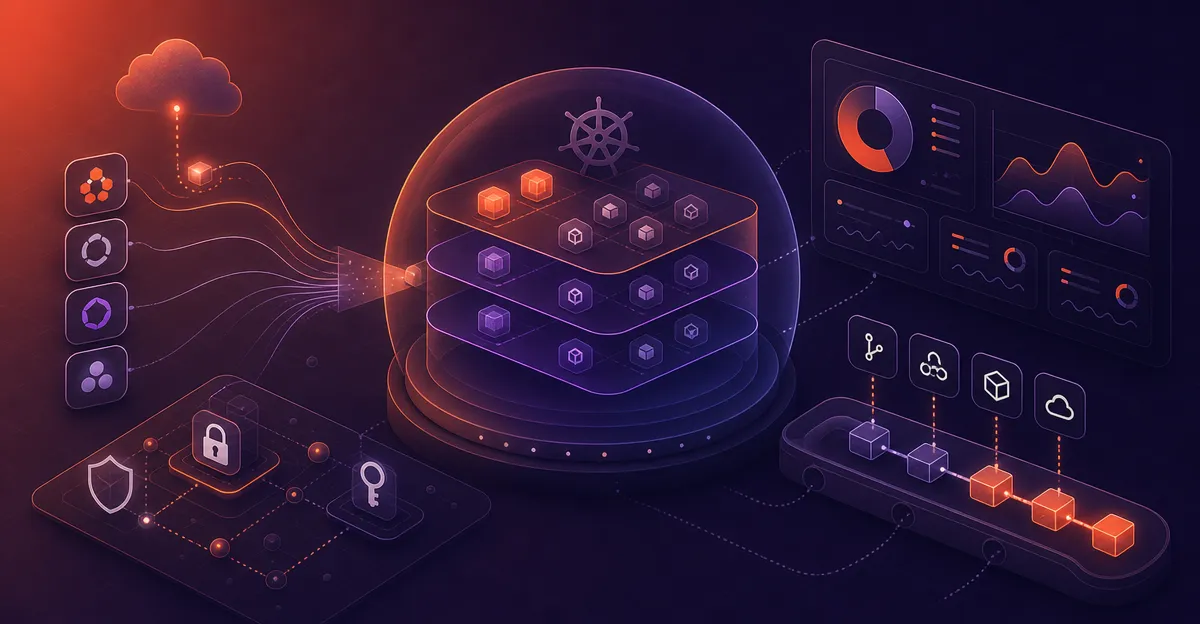
Stakater MTO helps our platform teams provide secure, self-service, and governed Kubernetes environments for every team — all within a single shared cluster.
Tenant Provisioning with a CRD
Teams are onboarded declaratively using a Kubernetes Tenant custom resource:
apiVersion: tenantoperator.stakater.com/v1beta2
kind: Tenant
metadata:
  name: team-gamma
spec:
  owners:
    users:
      - gamma@example.com
  quota: large
  namespaces:
    withTenantPrefix:
      - dev
      - prod
  hibernation:
    sleepSchedule: "0 22 * * *"
    wakeSchedule: "0 7 * * *"
This single CR:
-
Creates multiple isolated namespaces (e.g., team-gamma-dev)
-
Applies predefined RBAC, quotas, and labels
-
Assigns ownership and restricts access
-
Enables hibernation during off-hours to save costs
Built-in Guardrails
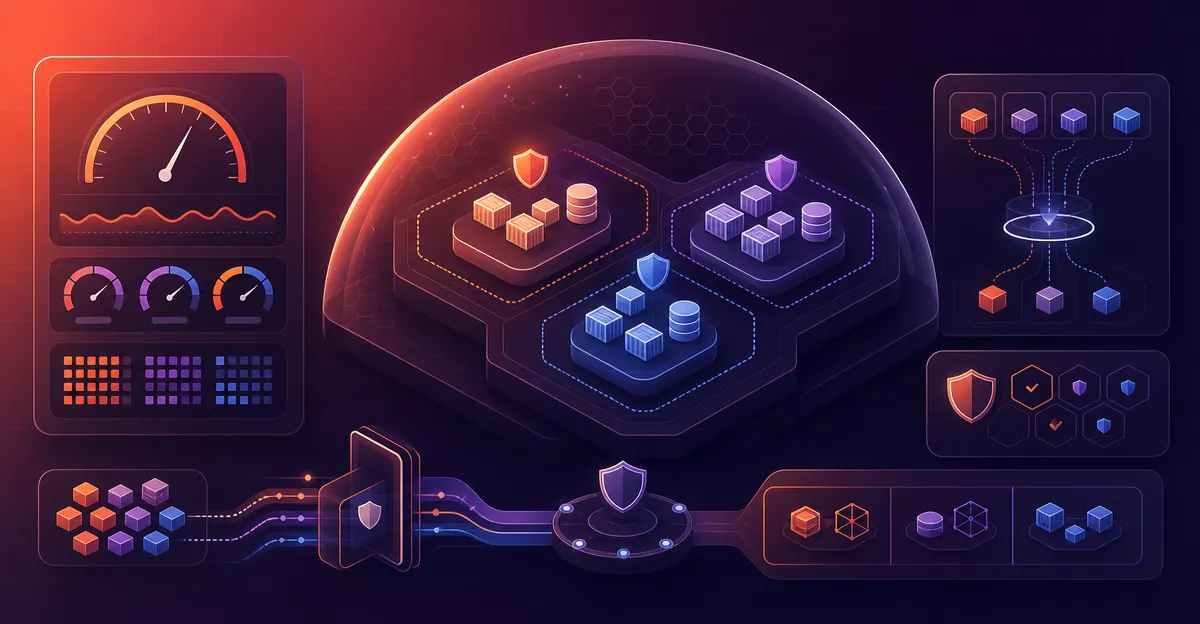
MTO enforces:
-
Pod Security Standards (via labels like restricted)
-
RBAC templates per tenant
-
ResourceQuotas and LimitRanges
-
NetworkPolicies to isolate network traffic
We can also extend this with Gatekeeper/OPA for custom policy enforcement.
Key Features for Platform Teams
Capability | Benefit |
Tenant CRD | Declarative onboarding of new teams in minutes |
Hibernation schedules | Idle namespace shutdown to save cost |
Templates & metadata | Consistent environment creation |
GitOps-ready | Seamless integration with ArgoCD or Flux |
Integrated console (UI) | Visual management of tenants and namespaces |
Tool integrations | Logging, monitoring, backup, Vault, and more via hooks |
FinOps-ready | Showback reports, cost labels, and capacity insights |
Security and Compliance
MTO helps our platform teams align with ISO 27001 and SOC 2 controls by:
-
Automating RBAC and access segregation
-
Enforcing consistent policies across tenants
-
Offering audit logs, namespace-level isolation, and scoped secrets
-
Supporting integrations with Vault, Velero, Prometheus, and more
Real Outcomes for Platform Engineering Teams
With MTO, our platform teams can:
-
Onboard 10x more teams with the same operational effort
-
Standardize environments across dev, staging, and prod
-
Reduce costs by consolidating clusters and hibernating environments
-
Eliminate one-off scripts and manual onboarding tasks
-
Provide a secure, compliant platform with developer self-service
Final Thoughts
Stakater MTO is the missing multi-tenancy layer for organizations scaling their internal developer platforms on Kubernetes. By combining strong isolation, automation, and integrations, it lets us build a secure, developer-friendly Kubernetes platform that scales as fast as our teams do.
Build once. Reuse safely. Scale infinitely — with Stakater MTO.