The Cost Efficiency of One Cluster, Many Tenants
Cut Kubernetes costs and simplify operations with multi-tenancy. Learn why “one cluster, many tenants” beats cluster sprawl with Stakater MTO.

As Kubernetes usage grows within organizations, our platform teams often face a tough trade-off: balancing the need for isolation and control with the rising cost of infrastructure and operations. Many teams default to creating one cluster per team, project, or business unit — which leads to cluster sprawl and runaway cloud bills.
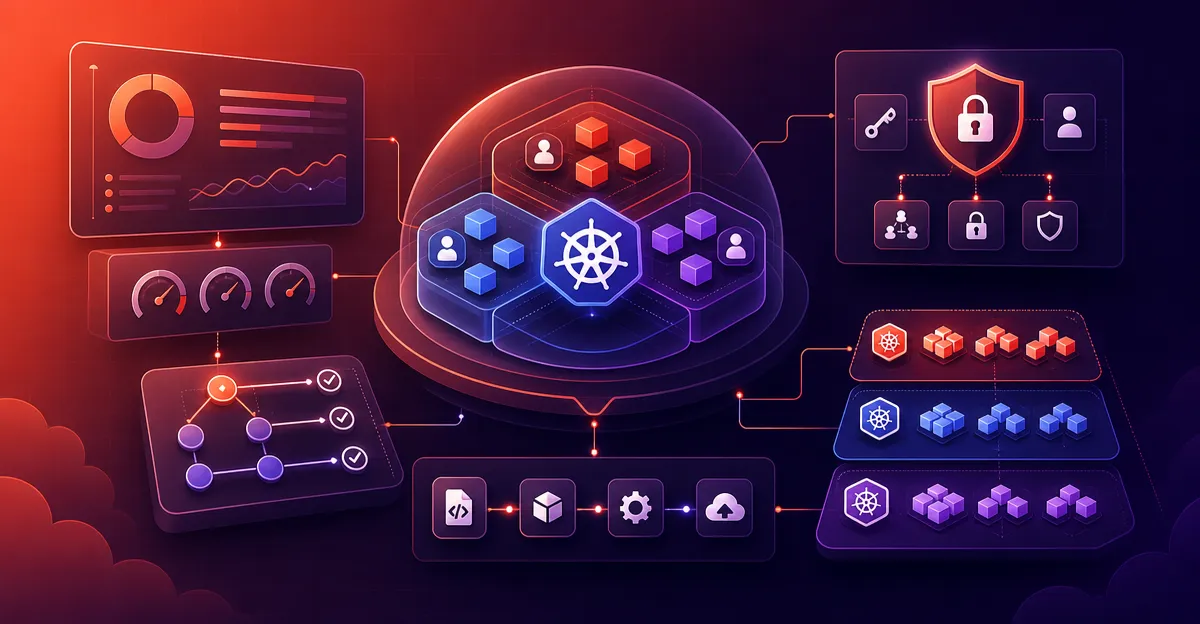
There’s a better way. With the right multi-tenancy strategy, we can run dozens or even hundreds of tenants on a single Kubernetes cluster, cutting costs while maintaining security, autonomy, and operational simplicity.
In this blog, we’ll break down why the “one cluster, many tenants” model is more cost-efficient — and how tools like Stakater Multi-Tenant Operator (MTO) make it practical at scale.
Why Running Multiple Clusters is Expensive
Each Kubernetes cluster comes with built-in overhead:
-
A dedicated control plane with high-availability requirements
-
Worker nodes that are often underutilized
-
Redundant monitoring, logging, CI/CD, and security tooling
-
Separate upgrade cycles, backups, and policy configurations
When we multiply this across 5, 10, or even 50+ clusters, the costs add up quickly — not just in cloud spend, but also in operational time, complexity, and support.
How Multi-Tenancy Saves Costs
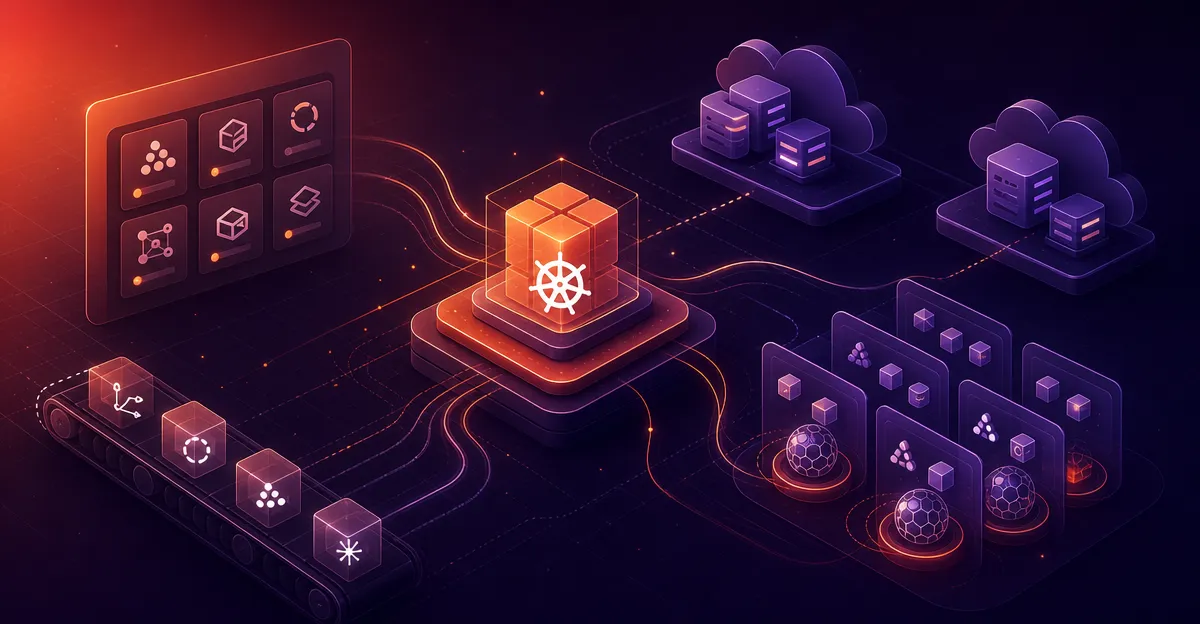
By consolidating into a single, shared cluster using namespace-based multi-tenancy, we gain:
Better Resource Utilization
Idle nodes spread across many clusters become shared capacity in one cluster. This improves bin-packing and reduces wasted compute.
Lower Infrastructure Overhead
Fewer control planes mean lower baseline costs — especially for high-availability configurations.
Shared Tooling and Services
We can centralize observability, security, GitOps, and backups once — instead of managing them separately in every cluster.
Easier Scaling
It’s easier (and cheaper) to scale a shared cluster than to provision and operate new ones for each tenant.
Real-World Example
Let’s say we’re running 10 small clusters for different teams, each with:
-
3 control plane nodes
-
5 worker nodes
Assuming $150/month per node, that works out to:
-
Control plane cost: $4,500/month
-
Worker cost: $7,500/month
Total: $12,000/month — and most of those clusters are underutilized.
Now, let’s consolidate into a single larger cluster with smart quotas, hibernation, and showback reporting:
-
3 control plane nodes
-
15 worker nodes (more efficiently packed)
Total: $2,700 + $2,250 = $4,950/month
We’re saving over $7,000/month while still maintaining the same functionality — or even more.
How Stakater MTO Makes It Work
Stakater Multi-Tenant Operator (MTO) gives us everything we need to safely and efficiently run multiple tenants in one Kubernetes cluster:
-
Automated namespace provisioning with RBAC, quotas, and security
-
Tenant hibernation to free up idle resources
-
Showback reports to drive accountability and cost awareness
-
Custom templates to standardize resource allocations and tools
-
GitOps integration for scalable, repeatable deployments
-
Capacity insights to inform when scaling is actually needed
With MTO, our shared cluster becomes a cost-efficient, self-service platform for our teams.
Final Thoughts
Infrastructure sprawl is expensive — but multi-tenancy doesn’t have to mean compromise. With the right platform controls and automation, “one cluster, many tenants” isn’t just possible, it’s the smarter way to scale.
Stakater MTO helps us cut cloud spend, simplify operations, and grow with confidence.
Start saving — without sacrificing security or autonomy.