Kubernetes for Platform Teams: Why Multi-Tenancy Is the Future
Discover why Kubernetes multi-tenancy is key to scalable Internal Developer Platforms - and how Stakater MTO simplifies secure, efficient cluster management.
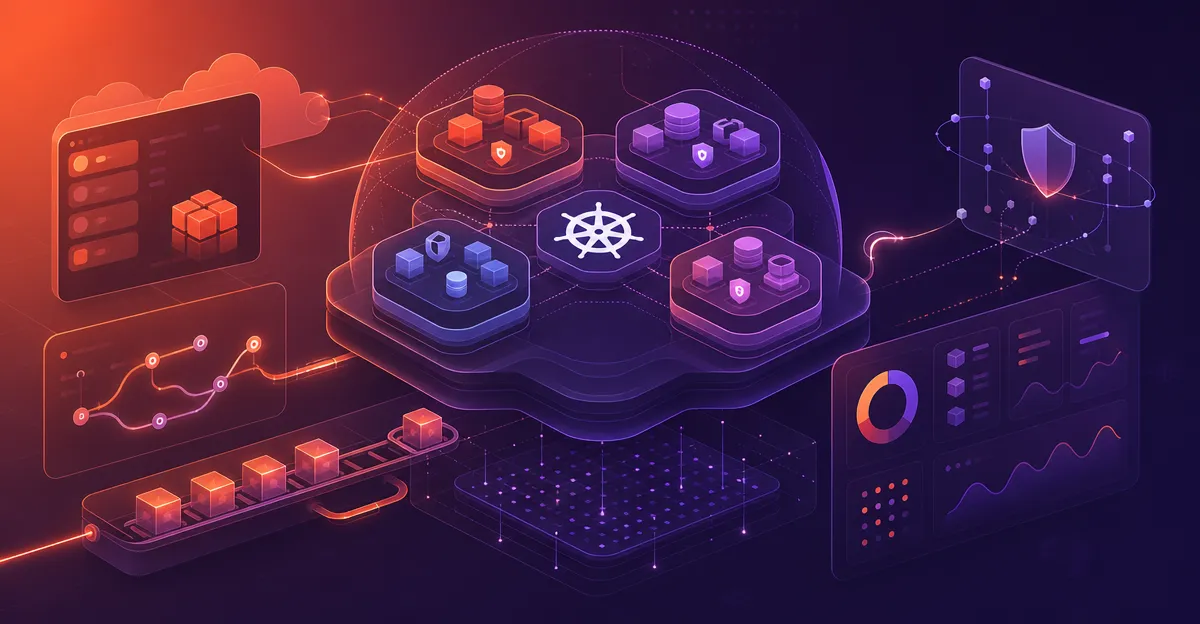
As platform engineering gains momentum in modern organizations, Kubernetes has become a foundational technology for building Internal Developer Platforms (IDPs). But there’s a critical architectural decision that determines whether our platform scales smoothly or sinks under complexity: single-tenant vs. multi-tenant Kubernetes clusters.
In this blog, we’ll explore why multi-tenancy is the future for Kubernetes-based platforms — and how tools like Stakater Multi-Tenant Operator (MTO) are helping platform teams deliver scalable, secure, and efficient Kubernetes-as-a-Service.
The Role of Platform Teams
Platform teams build and maintain the internal tooling, infrastructure, and processes that help developers ship software faster. Our mission is to create self-service, reliable, and secure platforms - without expecting every dev team to become a Kubernetes expert.
To do that, we need to balance:
-
Standardization vs. team autonomy
-
Security vs. velocity
-
Scalability vs. operational simplicity
And this is where multi-tenancy comes in.
Why Multi-Tenancy Matters for Platform Engineering
Platform teams often support dozens — sometimes hundreds — of developer teams or business units. Spinning up a new Kubernetes cluster for each one might seem like a clean approach, but it brings major challenges:
-
High infrastructure cost: Every cluster comes with its own control plane and baseline resource usage
-
Tooling fragmentation: Observability, CI/CD, and security tools have to be duplicated across clusters
-
Inconsistent governance: Security and policy enforcement can vary from cluster to cluster
-
Operational overload: Upgrades, networking, and support scale linearly with the number of clusters
With multi-tenancy, our platform teams can:
-
Onboard new teams in minutes using namespaces
-
Apply consistent RBAC, policies, and configurations
-
Share infrastructure without compromising security
-
Deliver a clear, unified developer experience
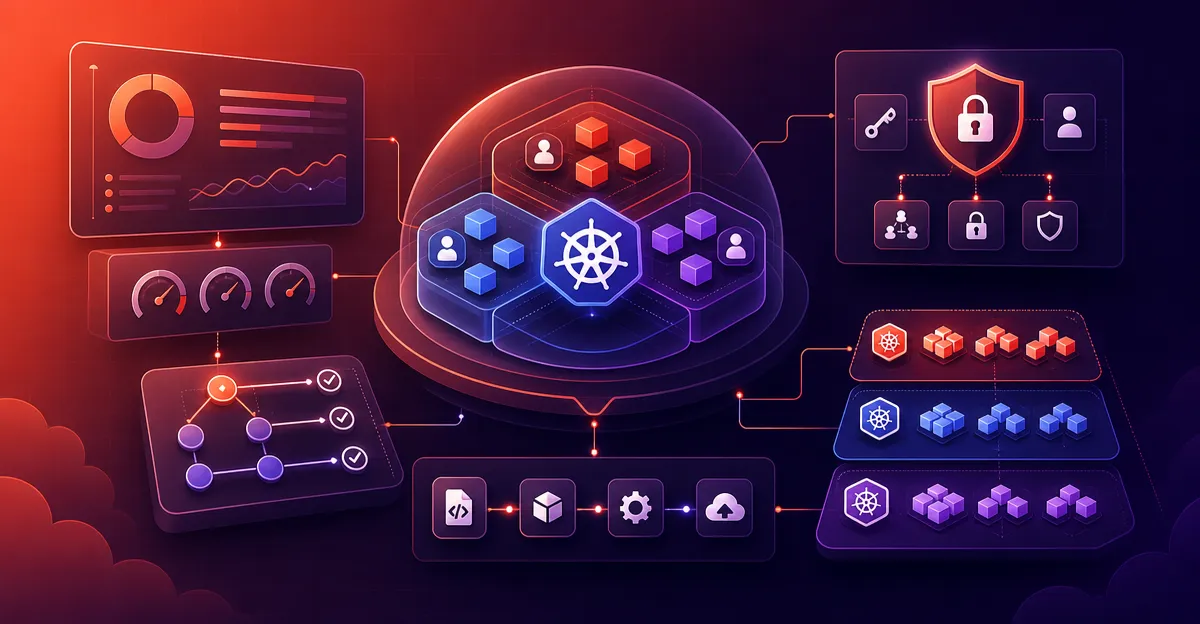
What Multi-Tenancy Looks Like in Practice
A well-designed multi-tenant platform gives each team:
-
An isolated namespace with scoped access
-
Resource quotas to ensure fair usage
-
Pod security and network policies for safe deployment
-
Access to shared CI/CD, logging, and monitoring stacks
And all of this is automated and standardized, cutting down on manual effort for our platform team.
The Tool That Makes It Real: Stakater MTO
Stakater Multi-Tenant Operator (MTO) helps our platform teams implement secure, scalable Kubernetes multi-tenancy right out of the box. MTO provides:
-
Automated namespace provisioning with full policy enforcement
-
Built-in integrations for GitOps, observability, and backups
-
CRD-based self-service for team onboarding
-
Centralized control for the platform team, with autonomy for developers
With MTO, we can deliver Kubernetes-as-a-Service internally — at scale — with far less overhead.
The Future Is Multi-Tenant
As we scale Kubernetes across teams, business units, and environments, managing dozens of clusters quickly becomes unsustainable. The future lies in smarter, more efficient architectures - where multi-tenancy is the default, not an afterthought.
Multi-tenancy enables our platform teams to:
-
Maximize infrastructure utilization
-
Standardize and secure developer environments
-
Deliver faster, safer developer experiences
-
Scale platforms without scaling chaos
And Stakater MTO is here to help us build that future.
Ready to scale your internal platform without scaling your cluster count? Let’s try Stakater MTO and embrace the multi-tenant future.